Early Childhood Music in the Community

Overview
Teachers: Beck Smith & Fiona Billingsley
The Early Childhood Music Program is designed for children aged 0–5, offering engaging music experiences for all developmental stages in settings across the New England area.
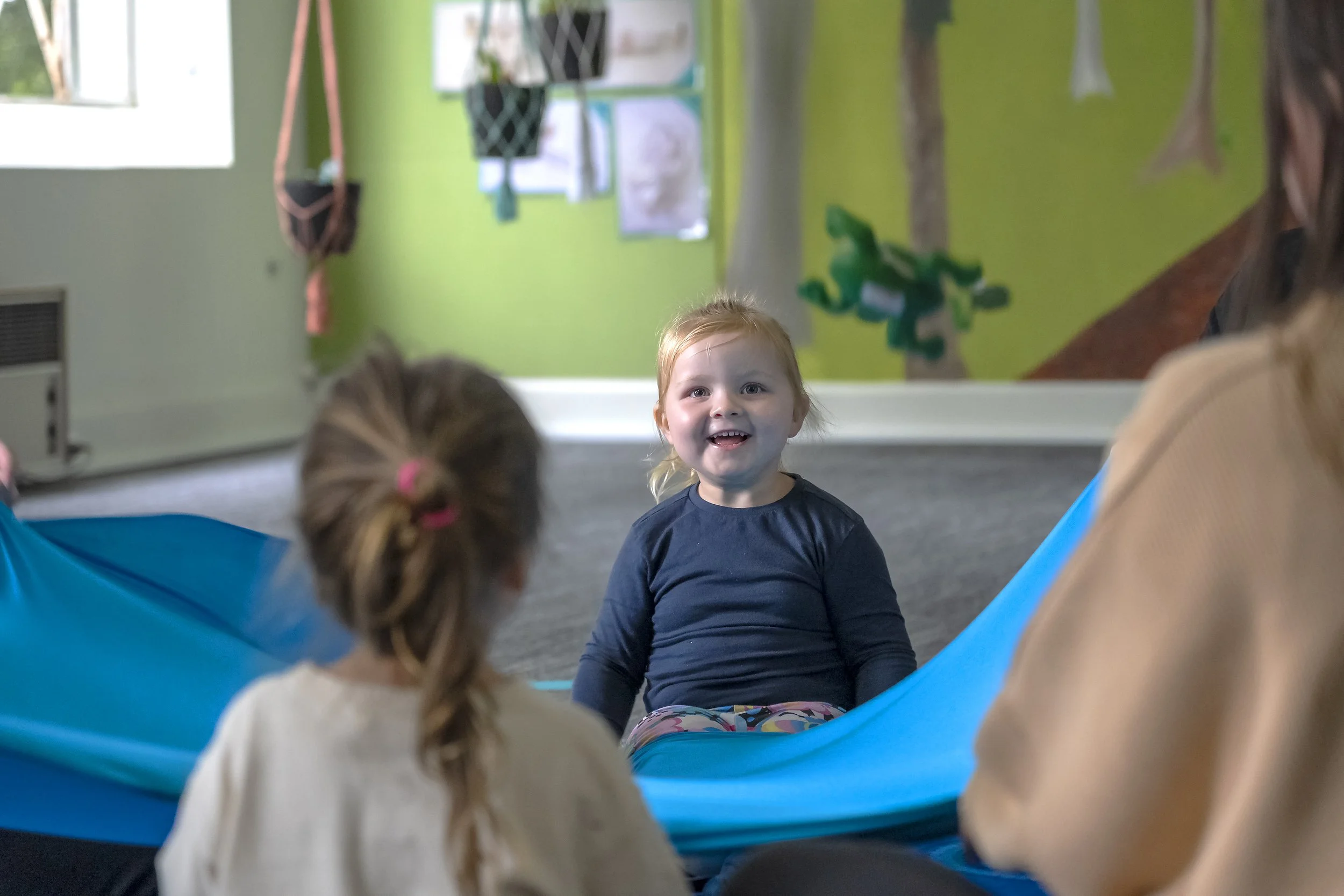
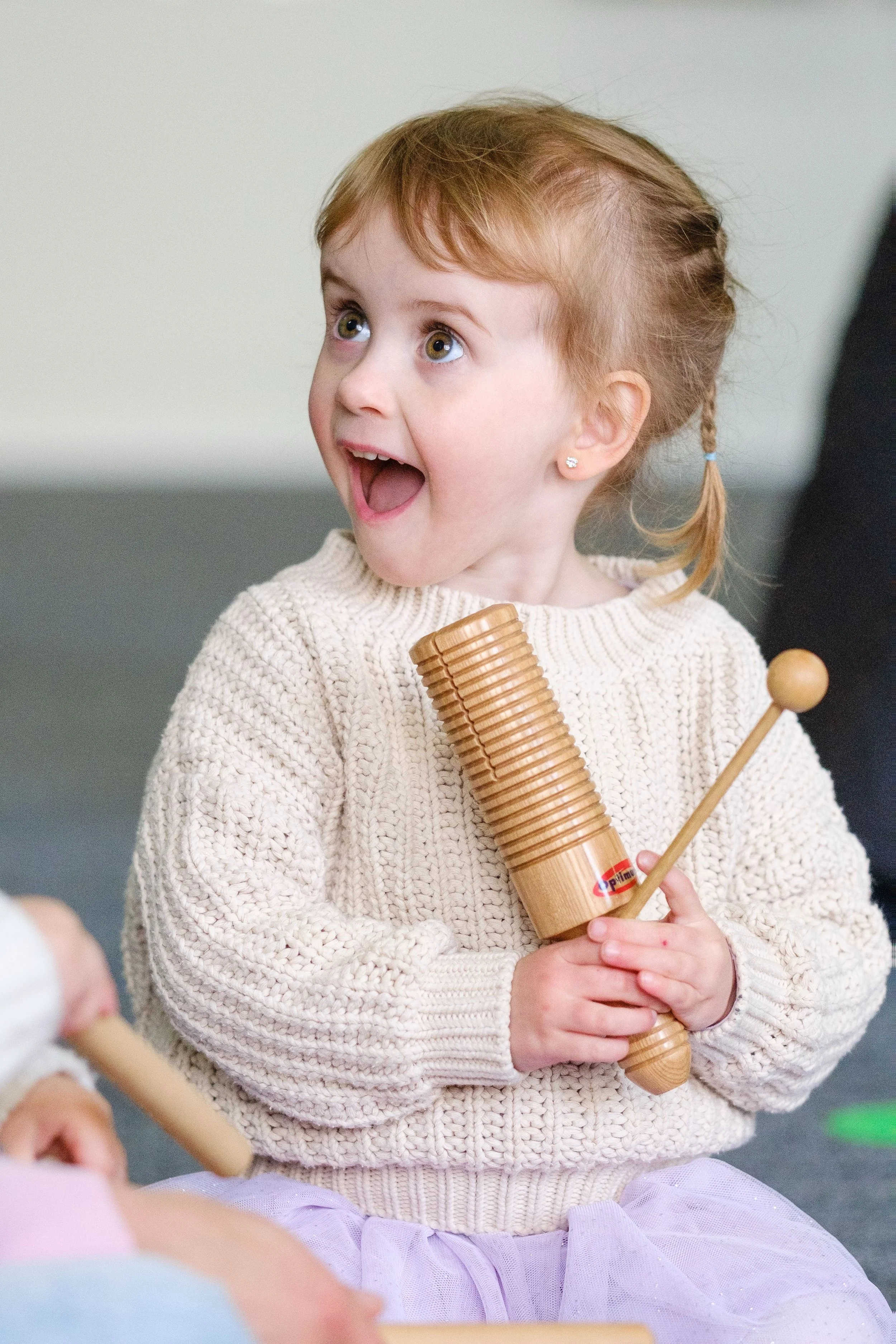
Through singing, movement, rhythm, and play, children build musical foundations while developing confidence, listening skills, and social connection.
Sessions are fun, interactive, and supportive, with Key Word Sign included where appropriate.
Why is music so important?
Music engages both the creative and logical sides of the brain, strengthening neural connections and supporting memory, language, and problem-solving.
Early musical experiences also enhance focus and self-regulation.
Beyond cognitive benefits, shared music-making supports language development, emotional intelligence, and cultural connection.
How Does the Program Work?
Our Early Childhood Music lessons are a sequential program, with each lesson building on the last and tailored to the needs of each class.
Our teachers adapt sessions in real time, responding to changes in the group and supporting children’s emotions through appropriate musical activities.
For the greatest benefit, we recommend ongoing participation, as it typically takes one term to introduce core concepts before progressing to more complex learning in following terms.
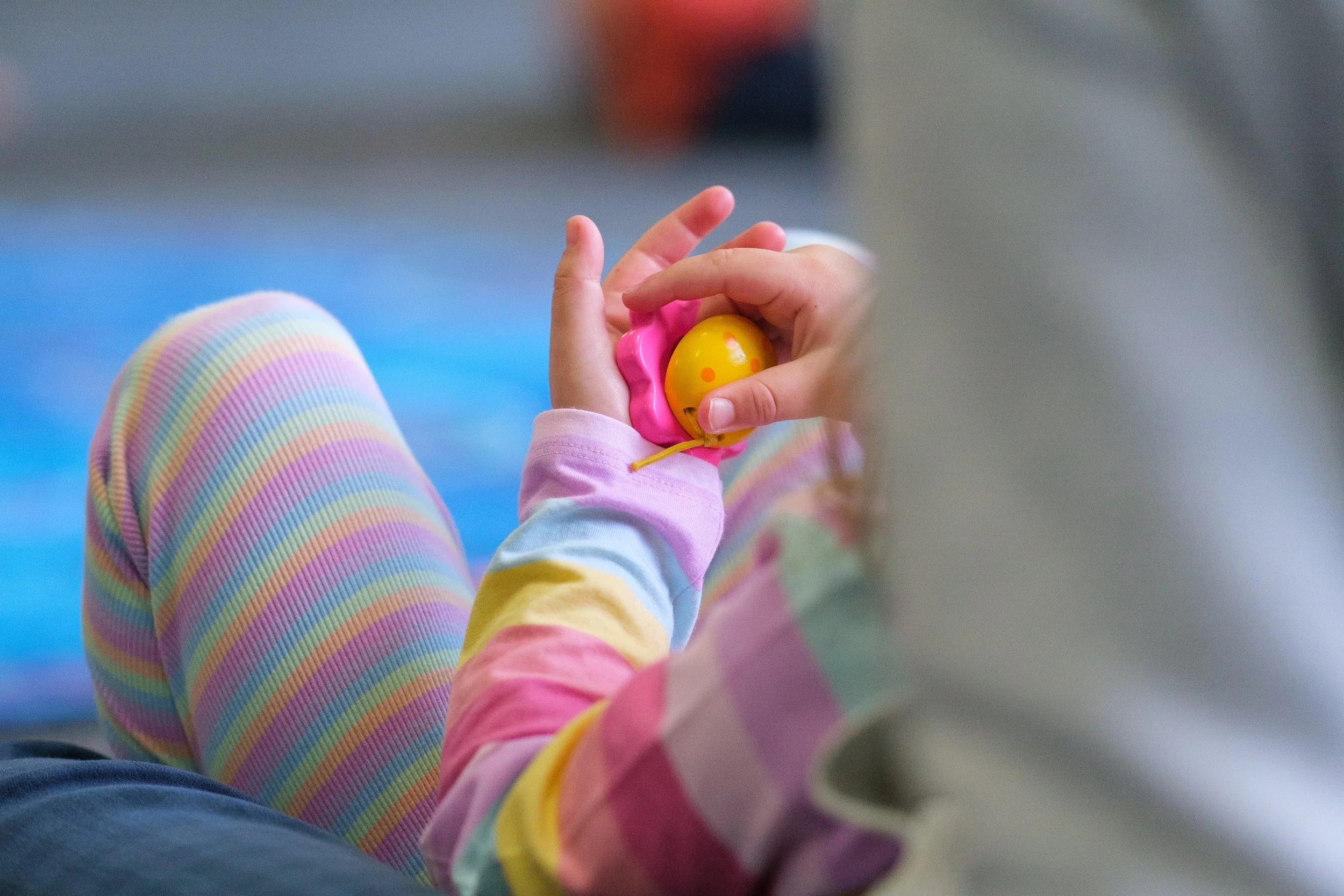
What is the research behind music?
Each session is fun and engaging, but underpinned by a carefully structured, sequential music program tailored to each class.
Our teaching is based on the Hungarian Kodály approach, delivered by specialist early childhood music educators.
Music learning supports lifelong confidence and enjoyment, while also enhancing language development and contributing to literacy and numeracy over time.
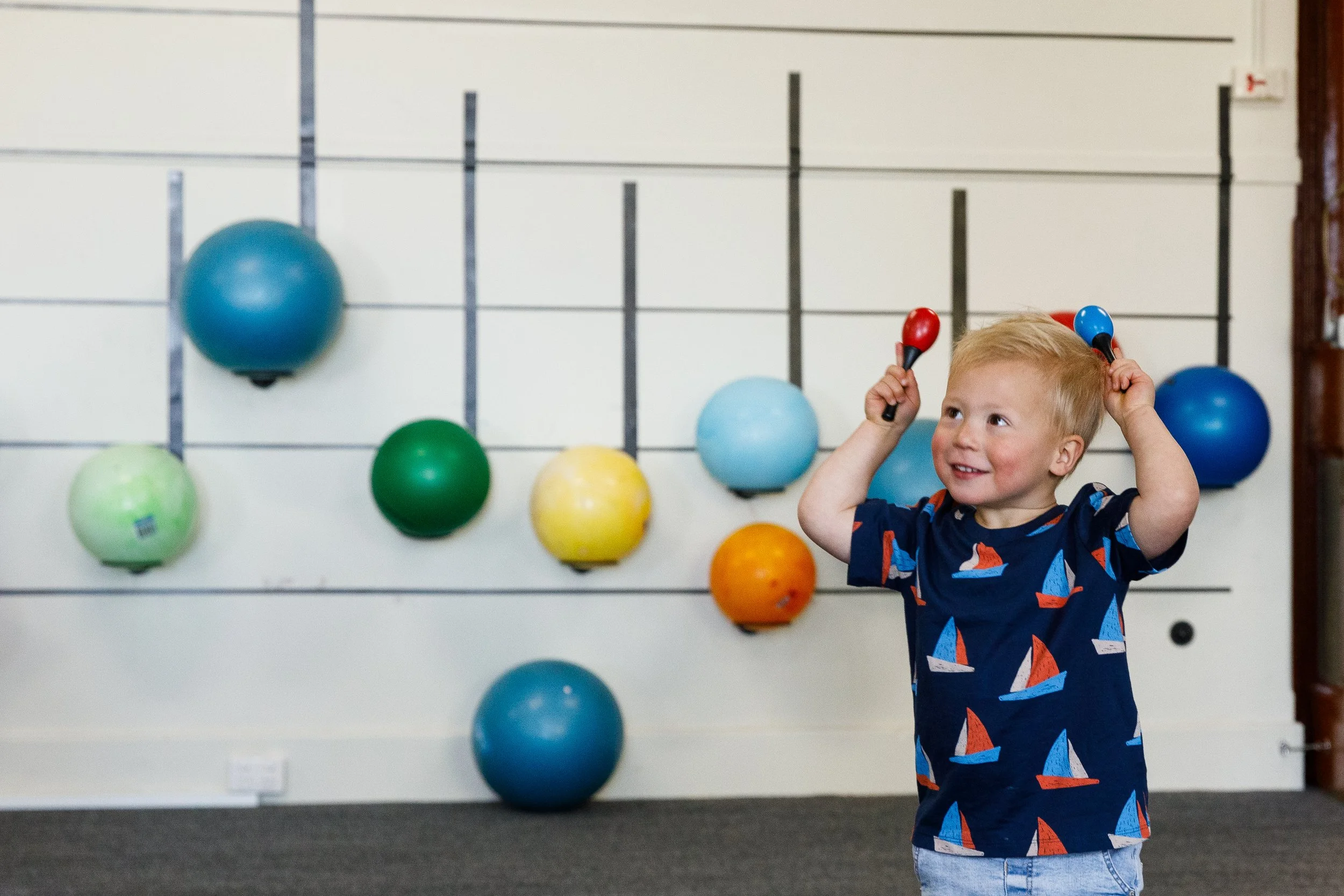
What can I expect in a class?
Each session begins with a welcome song, where older children are encouraged to sing their own names, supporting phonemic awareness and syllabification while engaging everyone from the start.
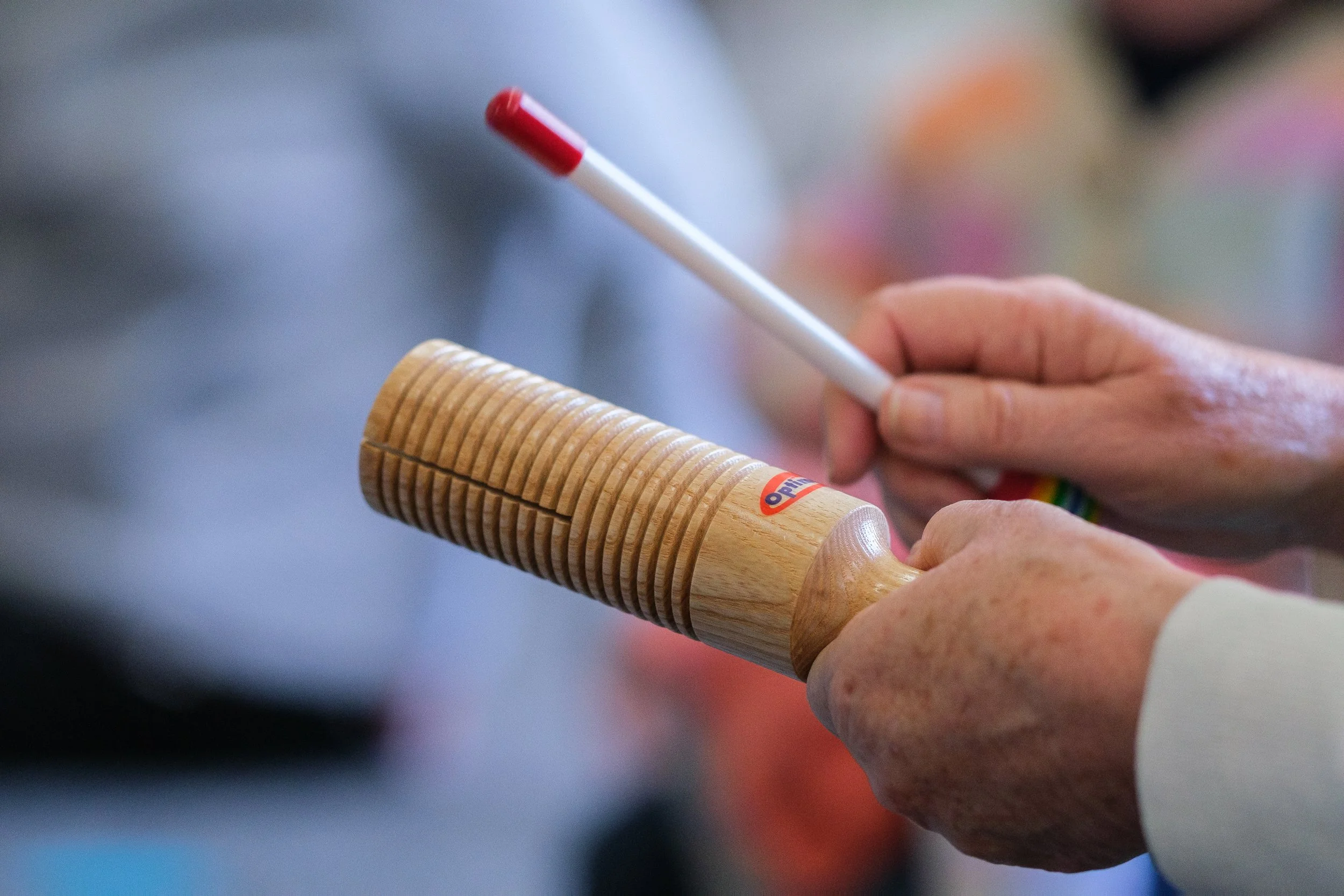
We focus on developing a strong sense of beat before introducing rhythm, using songs, rhymes, instruments, and games to reinforce this foundation.
With consistent support, most children can move confidently to the beat by ages 3–4, opening the door to a wide range of musical experiences as they are ready.
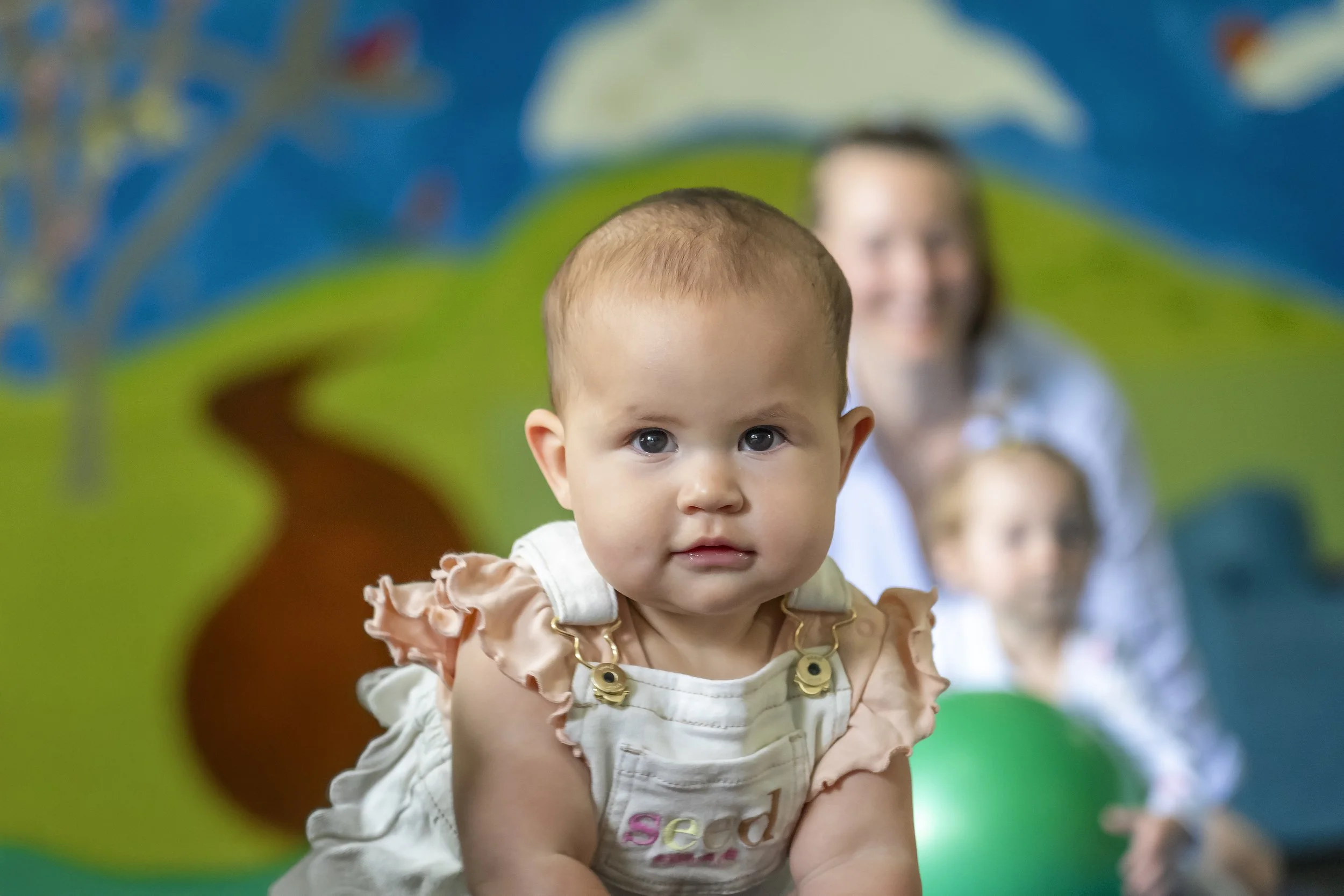
What is the role of the regular educator in a class?
We encourage educators to support children’s participation, allowing our music teachers to deliver sessions smoothly.
The regular educator supports participation by encouraging engagement, assisting with behaviour, and helping sessions run smoothly alongside the music teacher. They also collaborate to create an inclusive & effective learning environment.
These sessions offer informal professional development, giving educators ideas and strategies to use throughout the week
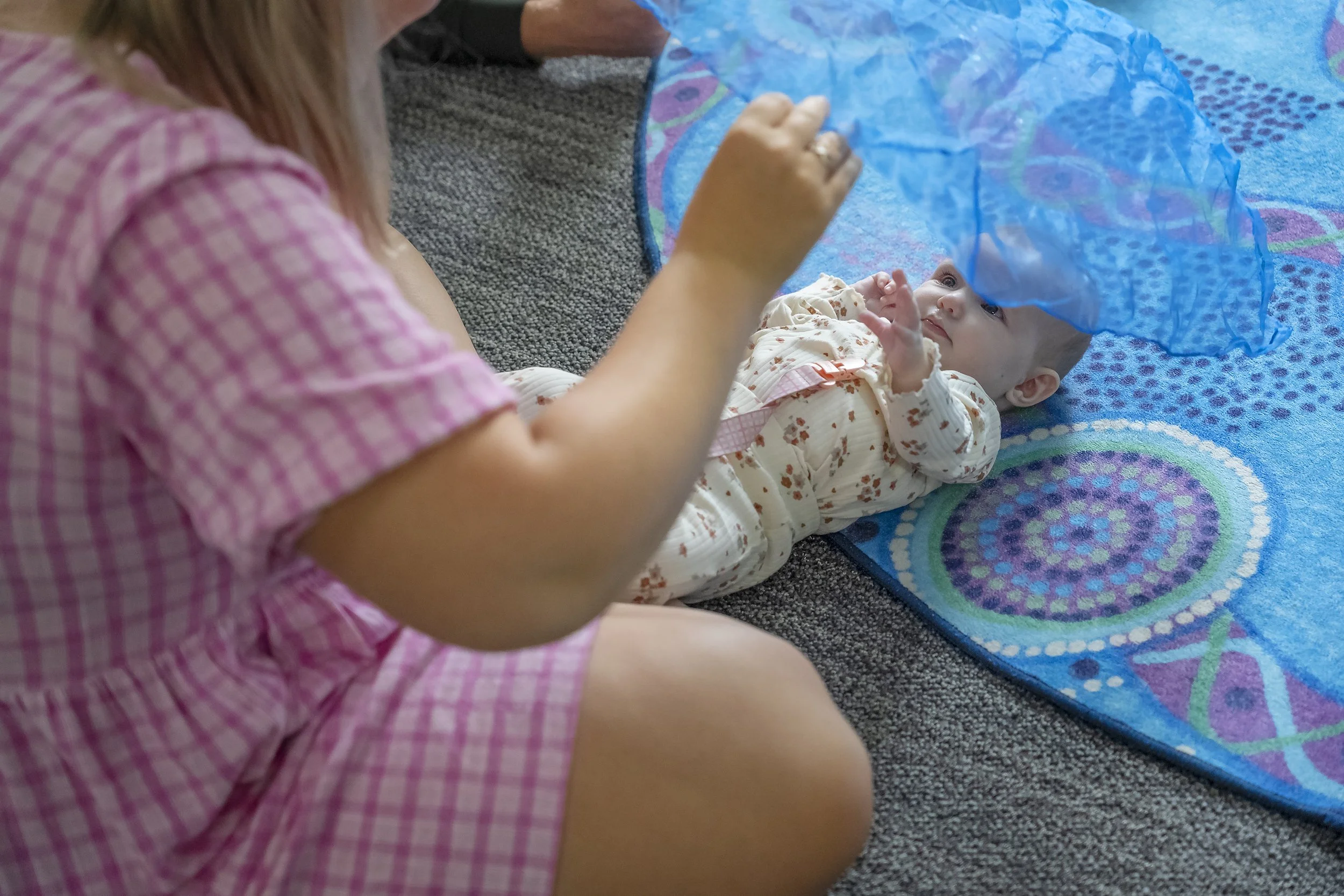
What if a child doesn’t want to participate?
There is no expectation for every child to participate in every activity. Our teachers work with each service to manage sessions so all children can benefit.
Some children may need time to observe, explore, or adjust, and may feel overwhelmed at first—this is a normal part of settling in.
If concerns arise, we encourage you to speak with your teacher after class or contact our Head of Early Childhood.


The Importance of Repetition
Each class includes a mix of familiar and new activities. Repetition allows children to:
Gain confidence
Master songs and games
Develop rhythm, listening skills, and language acquisition
Strengthen musical memory
As children become more familiar with the activities, they grow more confident in participating and expressing themselves musically.
Is scheduling flexible, or do I have to stick to a set timetable?
While it’s ideal to offer classes to all children, this isn’t always practical. We recommend selecting a consistent day with your teacher and keeping changes to a minimum to support continuity of learning.
It typically takes one term (around 8 weeks) for children to settle and build foundational skills before progressing further. You can enrol at any time during the year, subject to availability.
There are no joining fees—just a flat term rate, with pro-rata pricing if you start partway through a term. Enrolment continues until you provide 4 weeks’ written notice to withdraw.
What if our regular class time doesn’t work one week?
We can't offer credits, however we are happy to work with the setting to provide a catch up lesson where possible at an appropriate time for both our teacher and your setting with enough notice.
Any catch up lessons offered will need to be within the same term, and any unused catch up lessons will be forfeited at the end of each term unless agreed upon in advance with our Head of Early Childhood.
Our Classes
Early Childhood Music in Preschools Program generally offer 30min weekly classes. If you require a different length of class for any reason please speak with us - we can work with you and tailor to your requirements.
To enquire about our current available class times & a tailored quote please contact our Head of Early Childhood.
What Kinds of Activities Should We Expect in a Class?
Children will develop musical skills through activities such as:
Singing and chanting
Movement and dance
Musical memory and inner hearing
Rhythm and beat games
Creative improvisation
Songs, rhymes and musical storytelling
Through these experiences, children naturally become familiar with key musical concepts including:
Pitch and melody
Beat and rhythm
Tempo and dynamics
Timbre (sound quality)
Musical structure and meter
Accent and phrasing